


What Do You DO All Day?
After explaining how Emily and I have been living on a boat for a year, I recently had someone ask me what on earth we do all day. Caught off guard, I didn’t really have a good answer. I think I stammered something along the lines of, "Read books...look at things...?" Clearly, the most eloquent response. The question nagged me, and I think I’ve finally formulated a response:
The number one rule on Elpis is stay on the boat.
Number two is don’t hit anything.
We seem to spend an oddly large amount of time following those two rules, mainly the second.
Life on land consists of work, school, projects, etc. –generally the stuff of life that humans have moved on to after figuring out how to replace basic survival skills with convenience. But on the boat, fulfilling our basic needs for living becomes our priority. This boat is our home, and every day we move from point A to point B. Every day we have to focus on how to safely transport our home and figure out where are we going to put it securely for the night.
I don’t know how many of you have traveled the ICW, but there is a lot going on.
There is no road with lines to follow; there is no red-light-green-light.
There are signs, which are sometimes there. They are sometimes difficult to find. They are sometimes nowhere near where they are supposed to be.
The “road” is sometimes not possible to travel because of water depth and shoaling - even within the channel markers. Ask us about last Christmas when we were cruising downwind at a speedy 7 knots and I shouted, "head right!" to Emily, who said "uh we're in the channel markers, it's fine" and Elpis went from 7 to 0 knots very quickly and Emily said "Oh."
Sometimes the road is moving (current) and sometimes it's moving in different directions at different speeds (tides).
Sometimes the road is so bouncy that everything gets thrown off the wall and your boat library is on the floor for the third time this week.
The other occupants of the road occasionally want to be in the same spot as you, so you have to practice radio etiquette and know how to talk to barges.
Sometimes it's raining, and everything sucks and the inside of our house gets soaking wet and we have to choose the least damp place to sleep.
Busy yet? Traveling this way in a place we’ve been before is really wonderful and even convenient when we know what to expect. But for us, going somewhere new every day comes with a new set of unexpected challenges and new places to figure out. Fortunately, we have a number of resources for figuring all this out, and we do a lot of investigating to make sure everything will be okay.
So we spend a lot of time navigating. We constantly are looking ahead for confusing areas, as well as looking out for bridges, locks, and shoaling areas.
Next step is watching the weather. Not as difficult, but equally as important. The weather affects where we can travel to and how quickly, so we gather all that information and add that into our navigation calculations for both the day and for the upcoming week.
We used to try to plan for a week or two in advance, but that became almost laughable, particularly after we left the river system. So let’s say we have our plan for the day. Something invariably goes wrong or changes or is different than expected. We go through the whole process again: what will the weather be, where can we go, how can we get there, do we have enough time and daylight to make that work, will the tide be in our favor, and is it safe. Once we finally adapted to the “don’t plan anything” rhythm, we grew accustomed to learning what all the options were and being open to what the day revealed to us. We live with a lot of uncertainty, but also with the knowledge that we have the confidence and the ability to be flexible with constantly changing situations.
We spend a ridiculous amount of time trying to figure out food. We have no refrigeration and a two burner stove, so there is no throwing (or even having) leftovers in the microwave. Every meal seems to be a process as our alcohol stove, while reliable, takes a long while to get going, and we never seem to have the appropriate dishes available (even though we now have six forks, for some reason we only have two-ish bowls. However, we've learned that cups make a good substitute for bowls).
The other struggle is getting groceries, since we can’t really just jump in the car and go to the store. Since we are normally anchored out, to get to shore for groceries, we have to make sure the dinghy is inflated and bailed out, get the lifejackets, lift and attach the outboard from Elpis to the dinghy, then find a place to land the dinghy on shore. Once we manage to walk (sometimes a couple of miles) to and find the grocery store, we have to carry everything back with us, load the dinghy, and make it back to the boat, all before dark. Getting food is a quest in and of itself.
In the meantime, surely something on the boat needs attention. We have to make sure the engine is up to date on maintenance, that we have enough fuel and enough water in our tanks, and there is probably something that needs to be fixed. As so many wise people before us have said: cruising is just working on the boat in exotic places. We always have something going on.
If everything is under control, then we have free time. Usually while traveling, we really do read books. Emily listens to Taylor Swift on repeat. We enjoy the scenery. We have dance parties. We talk about how lucky we are. For the record, Emily and I found a great used bookstore in St. Augustine that we'd recommend to anyone. We stocked up on books there, trading our favorites like Gloria Steinem's biography and "1984" with each other as we finished them. Emily recently said one of her favorite boat memories is reading "The History of Love" out loud while we cooked dinner.
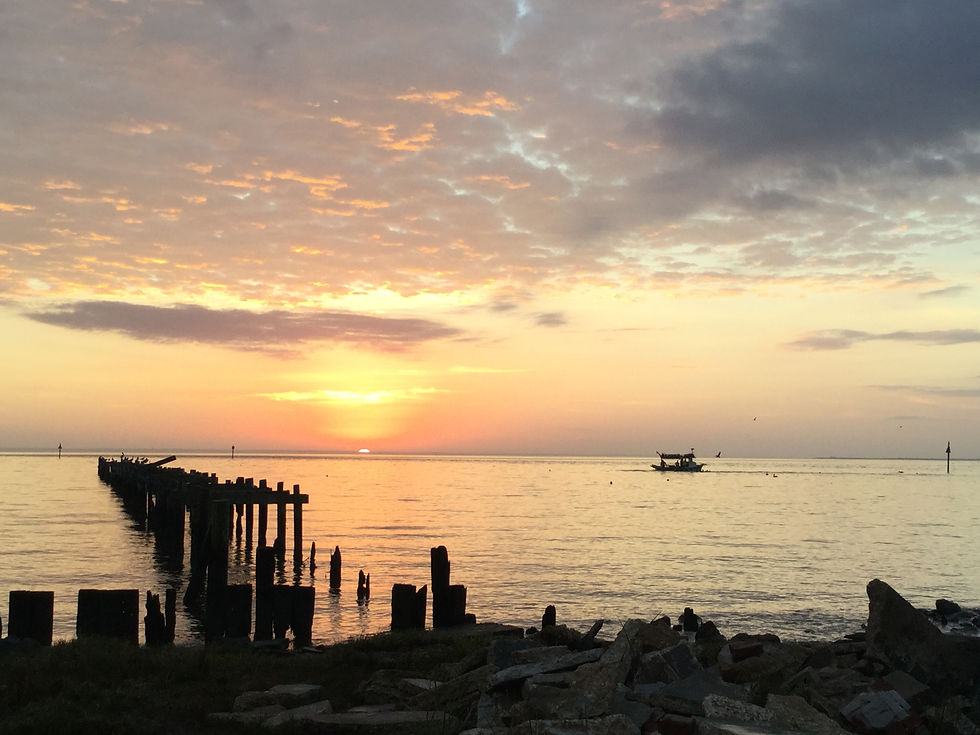
We also spend a lot of time procrastinating writing blog posts and instead are distracted by the friends we make along the way or by new towns to explore. There is nothing more lovely than finding a good spot to anchor for the night, watching the sunset, and discussing the philosophy of life over a drink. And if we’ve had a shower within the last week, life couldn’t be better.
We have found that living on a boat has forced us to learn what we really need in life. Our time is spent focusing on a more simplified set of survival skills, and we now have a better understanding of what is really important. I’m not sure I can tell you exactly what that is, but I now truly appreciate a safe home, food, water, and friends to share it with. Emily and I are so lucky to have had the opportunity to live this way, and we are grateful to have been constantly challenged and to have been constantly learning. There are good days and bad days, but every day is special. Take a moment to appreciate the little things: when it comes down to it, that’s what really matters.
-----
P.S. We didn't forget about the blog. More to come soon! Life got busier with Emily in grad school and Grace doing end-of-trip activities.

reading + occasionally navigating
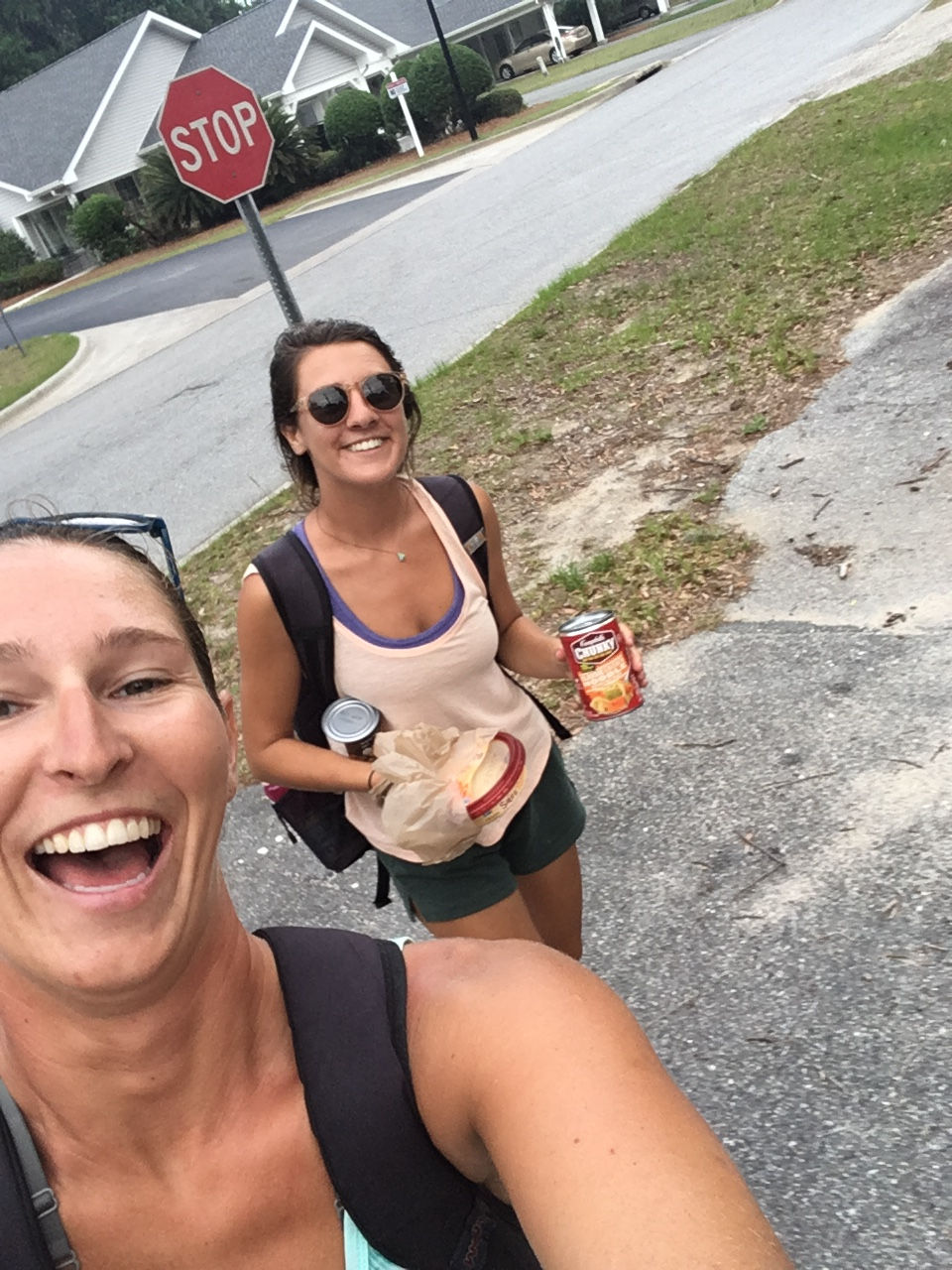
we walked three miles for hummus but would walk MORE if necessary

Fixing things
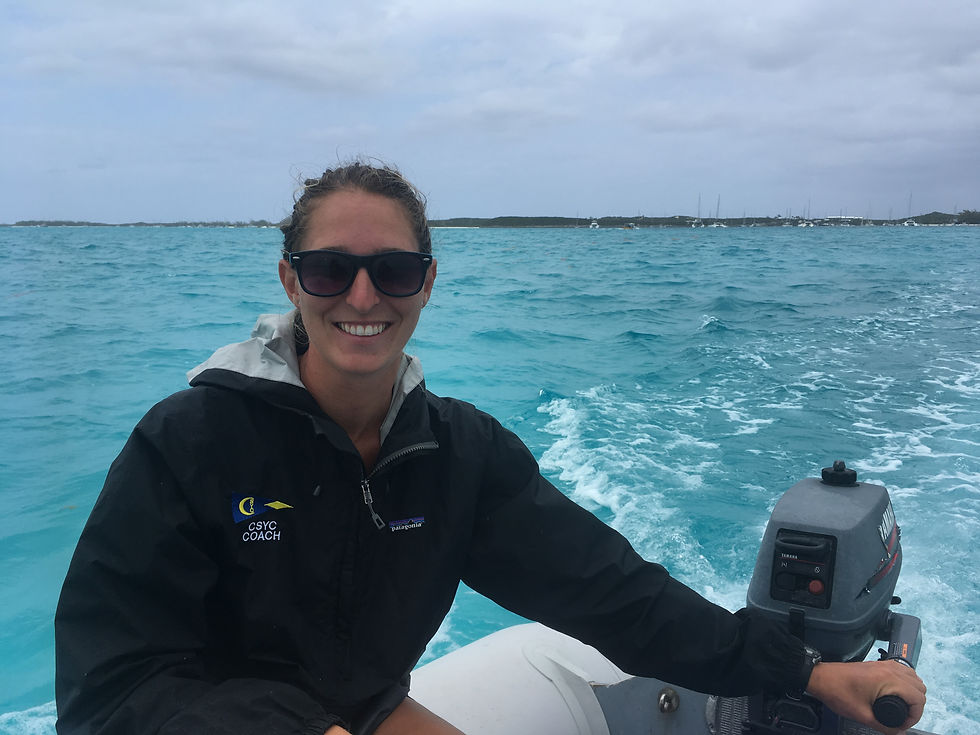
questing for groceries
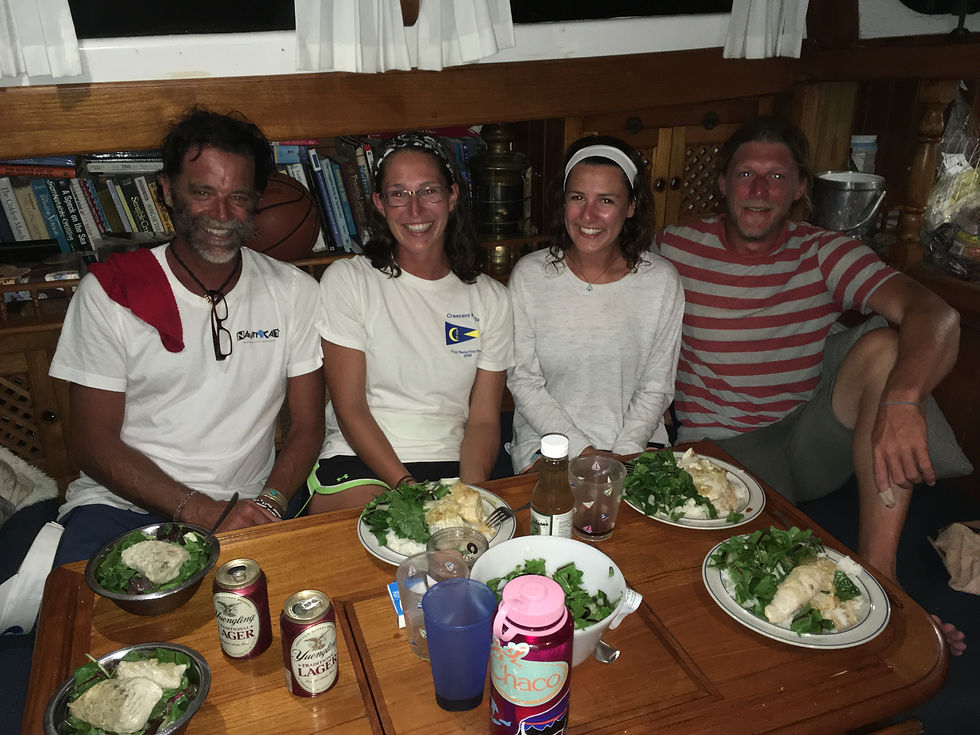
some of the friends we made along the way - Mike & Dan were usually initiators of a good life philosophy talk
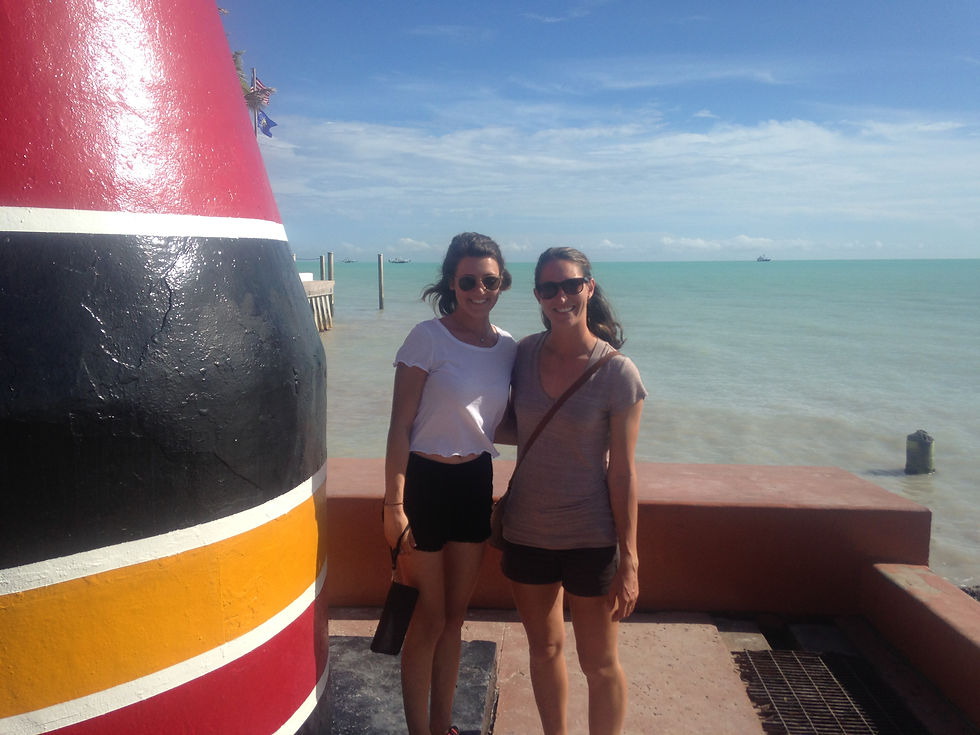
the water is pretty here

appreciating friendship
boat life is a good life
Comments